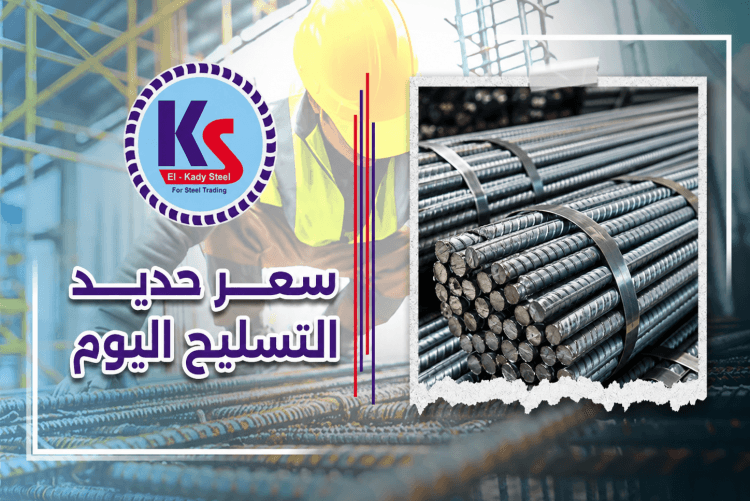
B500DWR Iron Price 2026: Latest Cost Per Ton Guide
July 9, 2026When searching for the B500DWR iron price in Egypt, securing a reliable supplier that delivers products strictly adhering to standard specifications at competitive rates is paramount. The B500DWR grade represents high-ductility reinforcing steel bars (rebar) characterized by superior load-bearing capacity. This makes it the ideal choice for heavy-duty structural projects that demand top-tier mechanical performance.
If you are looking to secure the latest B500DWR iron price, Elkady Steel—the authorized agent and distributor for Ezz Steel and El Marakby Steel—offers authentic rebar alongside rapid supply services and expert technical consultations. Our team is fully equipped to assist you in selecting the ideal grade and precise quantity required for your construction project.
What is the B500DWR Iron Price and What Factors Influence It?
The B500DWR iron price in Egypt fluctuates continuously due to several core variables that directly impact production costs and market dynamics. Consequently, the price per ton can vary significantly from one period to another. The most prominent factors driving these shifts include:
- Global Iron Ore and Billet Prices: Fluctuations in international raw material costs have an immediate, direct impact on the baseline production cost of reinforcing steel.
- Energy and Production Costs: Steel manufacturing plants rely heavily on natural gas and electricity. Therefore, any domestic or global surge in utility tariffs directly influences the final steel price in Egypt.
- Market Supply and Demand: The overall activity level of the construction and building sector, alongside the volume of national mega-projects, dictates demand, causing regular shifts in the price of steel per ton in Egypt today.
- Transportation and Logistics Costs: Logistics fees for moving steel from manufacturing plants to distributors, wholesalers, and construction sites vary, which ultimately alters the final consumer retail price.
- Customs Duties and Economic Taxes: National economic policies, import tariffs, and taxes play a decisive role in structuring the internal market pricing for reinforcement bars.
To obtain the most accurate, up-to-date B500DWR iron price in Egypt, contact the Elkady Steel team today to receive real-time quotes and benefit from our comprehensive supply services and technical support.
Types of Reinforcing Steel Bars (Rebar)
Reinforcing steel is categorized based on multiple parameters, including surface appearance, material composition, and production manufacturing standards. Understanding these classifications helps engineers and procurement managers choose the optimal type for every specific structural application. Below are the primary types of rebar provided by Elkady Steel, an authorized agent of Ezz Steel:
Types of Rebar Based on Surface Shape
- Plain Rebar: This type is completely smooth and devoid of ribs. It features high flexibility and is primarily utilized in specialized dowels and joints between beams and columns.
- Deformed (Ribbed) Rebar: This type features surface ribs and indentations designed to maximize mechanical bonding with concrete. It is highly ideal for major load-bearing structural elements such as high-rises and bridges.
Types of Rebar Based on Material Composition
- Carbon Steel Rebar: The most widely used type in general construction, offering solid tensile strength coupled with excellent cost efficiency.
- Stainless Steel Rebar: Exceptionally resistant to corrosion, making it the premier choice for highly humid environments and coastal marine structures.
- Galvanized Rebar: Coated with a protective layer of zinc to provide enhanced defense against rust, making it ideal for highly corrosive or exposed environments.
- Composite Rebar (GFRP): Manufactured from fiberglass, this variant is incredibly lightweight, non-conductive, and completely immune to chemical corrosion.
Types of Rebar Based on Production Standards
- A1 (Plain): highly ductile and exceptionally easy to shape, commonly utilized in secondary non-structural applications.
- A2 (Helical Deformed): Possesses good tensile resistance, making it suitable for medium-sized structural applications.
- A3 (Herringbone Deformed): Engineered to withstand high stresses, making it perfect for high-rise buildings and heavy configurations.
- A4 (Composite Deformed): Boasts the highest tensile strength thresholds, utilized extensively in massive infrastructure projects like heavy highway bridges.
The ultimate selection of rebar depends entirely on the unique engineering requirements of your project. It must be determined in consultation with structural experts to ensure the highest standards of safety and structural integrity. Contact us now to inquire about the current B500DWR iron price.
Learn more about: Reinforcing Steel in Reinforced Concrete
Key Technical Features of B500DWR Rebar
The B500DWR grade is distinguished by advanced mechanical properties, which have established it as one of the most widely specified rebar grades for projects demanding exceptional strength combined with high ductility. Furthermore, it complies fully with the strict mandates of the Egyptian Code for the Design and Execution of Concrete Structures (ECP 203-2020) regarding high-ductility reinforcing steel. Its standout advantages include:
- High Yield Strength: It features a minimum yield strength of up to 500 MPa, which represents an approximate 25% increase compared to the standard B400 grade.
- Superior High Ductility: It successfully achieves a tensile strength-to-yield strength ratio (Rm/Re) of no less than 1.25. This ensures elite performance under dynamic loading conditions, making it the definitive choice for seismic-resistant structural designs.
- Excellent Weldability and Formability: It features a meticulously balanced chemical composition with a low carbon equivalent. This allows for seamless welding and bending operations while maintaining all standard elongation and bend/rebend test compliance.
- Structural and Economic Efficiency: Due to its immense strength, it can significantly reduce the total volume of steel tonnage required in structural designs, depending on approved engineering calculations. This optimizes material usage and reduces your overall project expenditure, lowering the effective steel price in Egypt for your build.
The Importance of B500DWR in Achieving Building Safety Standards
Elkady Steel, a premier distributor of Ezz Steel and one of the largest rebar suppliers in the nation, emphasizes that B500DWR is a cornerstone of modern construction safety. Its superior mechanical and chemical properties make it the perfect choice for structures subjected to extreme loads.
Thanks to its high yield strength of 500 MPa and a ductility ratio exceeding 1.25, this specific steel grade guarantees that buildings can successfully absorb seismic energy, drastically reducing the risk of catastrophic structural collapse.
Additionally, its surface design features uniform transverse ribs that maximize the concrete-to-steel bond strength, enhancing the overall durability of structural elements. Its chemical formulation permits hassle-free field welding of rebars, simplifying onsite execution without compromising structural quality. All of these advantages position B500DWR as the premium option for projects seeking long-term safety and sustainability. Reach out to us via phone to discover the latest market updates on the B500DWR iron price.
Read also: Rebar reinforced concrete
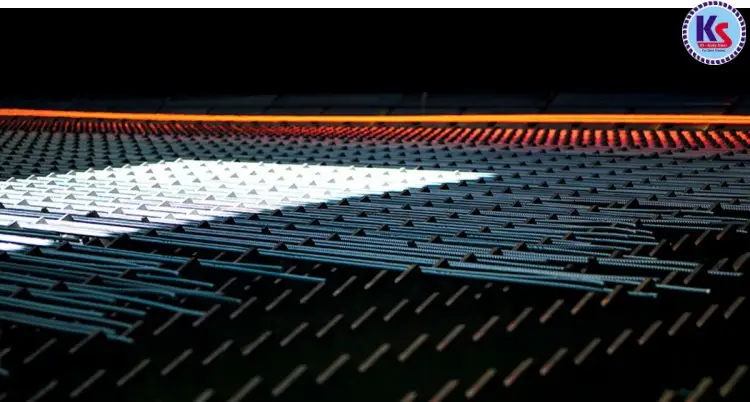
Rebar Markings: What Does the B500DWR Acronym Mean?
Every single rebar belonging to the B500DWR classification is embossed with a clear sequence of letters and numbers. These markings define its exact grade and mechanical properties, allowing engineers to verify compliance with national standard specifications. The acronym breaks down as follows:
- B (Steel for Concrete Reinforcement): Indicates that the product is strictly classified as a steel bar intended for reinforced concrete applications according to standard grading systems.
- 500 (Yield Strength): Represents the minimum structural yield strength of 500 MPa, the fundamental engineering baseline used by structural designers under the building code.
- D (Ductility): Confirms that the steel possesses high ductility, allowing it to undergo significant plastic deformation and absorb dynamic energy before experiencing structural failure.
- W (Weldability): Specifies that the steel has excellent weldability traits due to its tightly controlled chemical composition and low carbon equivalent.
- R (Ribbed): Denotes that the steel bar features a deformed, ribbed surface profile, which maximizes the mechanical bond with concrete and ensures efficient load transfer.
Rebar Diameters and Cross-Sectional Areas
The American Society for Testing and Materials (ASTM) has established standard specifications for construction materials, including reinforcing steel. These global standards dictate precise lengths, nominal diameters, cross-sectional areas, and weight per linear meter, alongside specific deformation metrics like rib spacing, count, and height.
In 1968, the specifications governing surface deformations were fully integrated into the primary structural rebar standards. Below is a comprehensive table detailing the standard rebar diameters available across both Metric and Imperial measurement systems:
|
Bar Diameter (mm) |
Bar Diameter (in) |
Metric Measurement Designation |
Imperial Measurement Designation |
|
6.35 |
0.250 |
#6 |
#2 |
|
9.525 |
0.375 |
#10 |
#3 |
|
12.7 |
0.500 |
#13 |
#4 |
|
15.875 |
0.625 |
#16 |
#5 |
|
19.05 |
0.750 |
#19 |
#6 |
|
22.225 |
0.875 |
#22 |
#7 |
|
25.4 |
1.000 |
#25 |
#8 |
Elkady Steel, as an authorized agent for Ezz Steel, supplies a comprehensive range of rebar diameters manufactured to the absolute highest international standards, ensuring the premium quality and structural durability required across diverse projects.
For further technical details regarding our extensive inventory or to request a custom quote on the B500DWR iron price, please feel free to contact Elkady Steel to receive immediate expert support.
The Core Difference Between 14 mm and 16 mm Rebar
Varying rebar diameters are utilized to deliver targeted load resistance and strength to specific reinforced concrete members. The operational difference between 14 mm and 16 mm rebar is foundational when calculating ultimate load capacities.
While 14 mm rebar features a lighter weight profile and excellent ease of manual formability, 16 mm rebar offers vastly superior resistance to intense tensile and bending stresses. As a result, 16 mm bars are more frequently deployed in primary structural elements that bear heavy architectural loads, such as main columns and thick foundation slabs. Ultimately, selecting the correct diameter depends heavily on the structural design blueprint and safety factors. To get an accurate quote on the B500DWR iron price, get in touch with our team via phone.
Read more about: steel price per ton
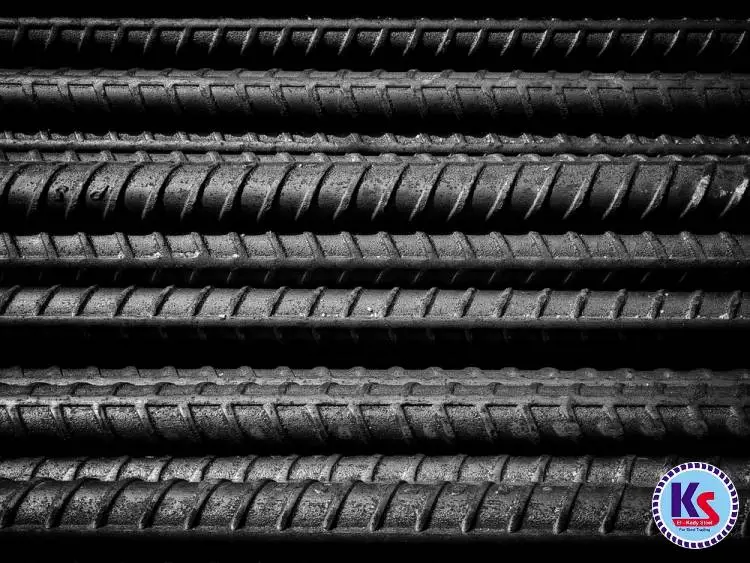
Elkady Steel Warehouses: Your Premier Choice for Rebar in Egypt
If you are actively searching for steel storage facilities that maintain pristine conditions and safeguard your investment from moisture, rust, and harsh weather elements, Elkady Steel offers highly reliable warehousing solutions tailored to your project.
As an authorized agent and main distributor for Ezz Steel and El Marakby Steel, we are dedicated to providing fully certified rebar stored under strict industrial guidelines to preserve manufacturing quality until delivery.
Get in touch with the specialized team at Elkady Steel today to receive a comprehensive technical consultation regarding the B500DWR iron price. Our professionals will guide you in selecting the exact diameters and rebar grades ideal for your project while breaking down the current price of steel per ton in Egypt today, paired with rapid, dependable shipping across all governorates.
You can also check: Earthquake resistant steel
Frequently Asked Questions (FAQs)
How can I verify that the rebar delivered to my site is of the B500DWR grade?
You can easily verify the grade by inspecting the continuous rolling marks stamped directly onto the steel bars. These markings explicitly display the manufacturer's brand name along with the clear B500DWR designation or its exact mill code equivalent. Additionally, you should cross-check these stamps against the official laboratory quality and compliance certificates delivered with the shipment.
Does the B500DWR iron price per ton differ between diameters like 14 mm and 16 mm?
In the vast majority of commercial transactions, major steel mills set a uniform baseline B500DWR iron price per ton for all standard, primary construction rebar diameters. However, minor pricing adjustments can occasionally occur for extremely thin diameters or specialty custom orders due to distinct manufacturing processes and unique market supply conditions